
 Analytics Tools
  Commerce
  Content Management
  Customer Service
  Data Privacy
  Design
  Development
  ERP
ERP  Hosting
  HR
HR  Sales Tools
  Security
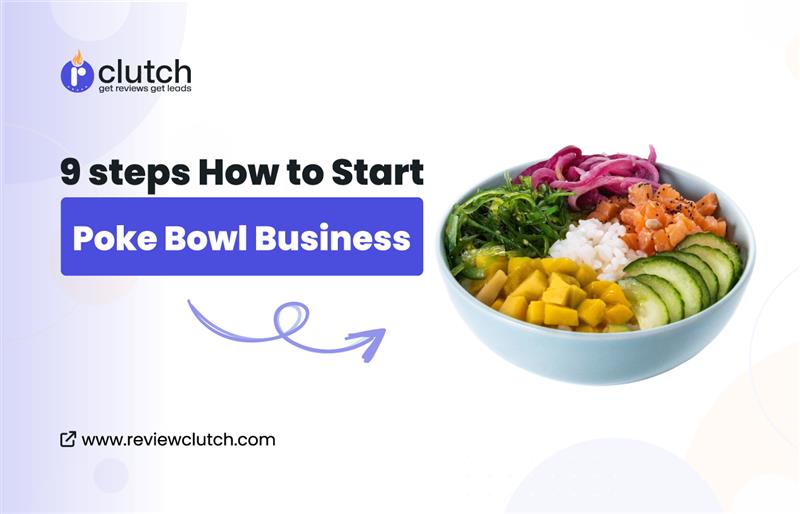
 9 steps How to Start a Poke Bowl Business
Last updated on April 15th, 2025 at 11:41 pm
Starting a poke bowl business is an exciting opportunity in today’s growing food market. The poke bowl industry is booming, projected to reach $1.3 billion by 2027. This makes it a perfect time to drive into this delicious venture.
Whether you’re an experienced restaurant owner or a newbie. This guide will help you through the process of how to start a poke bowl business.
To succeed, follow our essential 15 steps. Begin with thorough market research to understand your local area and customer preferences.
Create a best business plan that outlines your goals and strategies. This should include a budget and timeline.
Next, secure funding through personal savings or investors to ensure you have the resources you need.
Choosing the right location is most important. Look for areas with high foot traffic and potential customers.
Don’t forget to obtain all necessary permits and licenses based on local regulations.
Setting up a sustainable and reliable supply chain is also important for consistent quality in your dishes.
Design your restaurant layout for customer flow and comfort. A well-crafted menu that showcases your unique Poke Bowl offerings will attract diners.
Finally, develop a marketing strategy to promote your business. Use social media and local advertising to draw in your target audience.
By following these steps, you can confidently begin your journey to starting a successful poke bowl restaurant. Stay committed, and adapt to trends, and your business will succeed in this competitive market.
In this article, we will share 15-step details on how to start a poke bowl business.
What is Poke Bowl?
A Poke Bowl is a delicious and popular dish that originates from Hawaii. It typically consists of diced raw fish, most commonly tuna, marinated in a blend of soy sauce, sesame oil, and other flavorful ingredients.
The dish is served over a bed of rice and topped with fresh vegetables, like avocado, cucumber, and seaweed.
Many people love Poke Bowls for their fresh taste and health benefits.
Poke Bowls allow for endless customization. Diners can choose their preferred protein, such as salmon or tofu, and a variety of toppings and sauces.
This flexibility makes it easy to cater to different tastes and dietary needs. It’s not just food; it’s an experience.
The vibrant colors and fresh textures create an appetizing presentation that attracts food lovers everywhere.
In recent years, the popularity of Poke Bowls has soared, becoming a staple in many urban areas. Their appeal lies in their healthy ingredients and the fun of building your own bowl.
If you’re looking for a nutritious meal that feels light yet satisfying, a Poke Bowl is a perfect choice.
In summary, a Poke Bowl is a versatile and healthy dish that captures the essence of fresh Hawaiian cuisine. With options for everyone, it’s no wonder this dish has become a favorite for many.
Is Poke Bowl Still Popular?
Yes, poke bowls are more than just a trend—they are a lasting favorite. These delicious dishes continue to attract attention due to their unique blend of taste and health benefits.
Created from fresh ingredients like diced raw fish, vegetables, and tangy marinades, poke bowls offer a delightful experience that appeals to many.
People love making their own poke bowl recipes, mixing various proteins and toppings to create their ideal meal.
This customization factor makes every bowl special and caters to different dietary needs. Whether you choose a classic Hawaiian poke bowl with tuna or experiment with tofu, there’s something for everyone.
Why Are Poke Bowls Popular?
- Fresh Ingredients: Poke bowls use high-quality, fresh ingredients, enhancing both taste and nutrition.
- Customization: Diners can personalize their bowls, tailoring each meal to their own preferences and dietary needs.
- Health Consciousness: With a focus on wholesome, low-calorie ingredients, poke bowls cater to health-conscious consumers.
- Convenience: They offer a quick, easy meal option for busy lifestyles without sacrificing quality.
- Cultural Appeal: Rooted in Hawaiian tradition, poke bowls bring an exotic and trendy culinary experience to the table.
- Visual Appeal: The vibrant colors and beautiful presentations of poke bowls make them Instagram-worthy, driving social media buzz.
1. Market Research
Before starting a Poke Bowl business, you must conduct strong market research to ensure success.
Understanding local demand and the Poke Bowl market will guide your business planning. Begin by examining the popularity of Poke Bowl restaurants in your area.
Check current trends and consumer preferences to assess potential growth opportunities.
Next, identify your target demographics. Look at factors like age, income, lifestyle, and dining habits.
This information helps tailor your menu and marketing strategies. It is also vital to perform a competitive analysis.
Understand who your competitors are, what they do well, and where they fall short.
This will help you create a unique selling proposition for your restaurant.
Also, Don’t forget about pricing strategies. Analyze prices at existing Poke Bowl restaurants. Consider ingredient costs and portion sizes to find the best price point for your menu.
By addressing these areas in your market research, you can confidently start your Poke Bowl restaurant business and position it for success.
Market Research Short Guide
- Assess Local Demand: Research the popularity of Poke Bowls in your area by visiting competitors and collecting customer feedback.
- Identify Target Demographics: Analyze the age, income, and dining habits of local customers to tailor your offerings.
- Conduct Competitive Analysis: Examine your competitors’ strengths and weaknesses to find gaps in the market.
- Review Current Trends: Stay updated on Poke Bowl trends, including ingredients and health-conscious options, to meet evolving consumer preferences.
- Evaluate Pricing Strategies: Compare pricing at nearby Poke Bowl establishments while factoring in your ingredient costs to determine a competitive yet profitable price point.
2. Business Plan Development
Creating a strong business plan is vital for your poke bowl restaurant. A well-structured plan helps you understand your goals and how to achieve them. Start by defining your vision. What do you want your restaurant to represent? This motivation drives your decisions and attracts customers.
Research your target market. Identify who will enjoy your poke bowls. Consider age, lifestyle, and dining habits. Knowing your audience helps you tailor your menu and services. Next, analyze your competitors. What can you offer that they don’t? This unique selling proposition will set you apart and draw more diners to your restaurant.
Your marketing strategy is key to success as well. Use social media to showcase beautiful poke bowls and engage with customers. Create special promotions to keep them coming back. Make sure you communicate your restaurant’s unique aspects clearly.
Understanding these elements will empower your poke bowl business and pave the way for a strong launch. Each step of your business plan development is essential to building a successful poke bowl restaurant that meets customer needs and stands out in a competitive market.
Short Point-Based Business Plan Development
- Define Your Vision: Articulate what your poke bowl restaurant aims to represent and its core values.
- Identify Target Market: Pinpoint your ideal customers by analysing their age, lifestyle, and dining preferences.
- Conduct Competitive Analysis: Identify what competitors offer and find ways to differentiate your poke bowl menu and services.
- Develop Unique Selling Proposition (USP): Determine what makes your restaurant special and how it will attract customers.
- Craft a Marketing Strategy: Leverage social media, promotions, and local events to effectively reach and engage your audience.
- Establish Operational Plan: Outline logistics such as sourcing ingredients, pricing strategies, and staff requirements.
- Set Financial Goals: Create financial projections including startup costs, expected revenue, and break-even analysis.
- Plan for Growth: Consider strategies for scaling the business and expanding the menu based on customer feedback and trends.
- Outline Your Menu: Create a diverse yet focused menu that highlights signature dishes while allowing some seasonal offerings to keep customers interested.
- Select a Location Wisely: Choose a location with high foot traffic and visibility to maximize customer access and brand exposure.
- Implement a Training Program: Develop a training plan for staff that covers food preparation, customer service, and hygiene standards to ensure a consistent dining experience.
- Establish Supplier Relationships: Build strong partnerships with local suppliers to secure fresh ingredients and possibly negotiate better pricing.
- Monitor Financial Performance: Regularly track key financial metrics to understand the health of your business and make informed adjustments.
- Engage Community: Participate in local events and collaborate with other businesses to enhance visibility and build community connections.
- Collect Customer Feedback: Implement systems to gather and analyse customer feedback to iteratively improve your menu and service.
- Embrace Flexibility: Be prepared to adapt your strategies based on market trends, customer preferences, and operational challenges to ensure long-term success.
3. Funding Acquisition
Securing funding for your Poke Bowl Restaurant is essential to transform your business idea into reality. You have several options to explore, including small business loans, investors, crowdfunding, or personal savings. Each funding source has unique requirements, so it’s important to evaluate which aligns best with your business goals.
Creating a compelling pitch can help you attract investors. Focus on the profitability and growth potential of your restaurant, which will set you apart in the crowded marketplace. Clearly explain how your venture will generate revenue, its unique features compared to competitors, and your plans for future scaling.
Tips for Funding Acquisition
- Research Funding Options: Explore various funding sources and understand their terms. This knowledge helps you make informed decisions about securing capital for your Poke Bowl Restaurant.
- Create a Detailed Financial Plan: Investors want to see realistic financial projections. Outline your expected revenue, expenses, and return on investment to build trust and confidence in potential funders.
- Network with Potential Investors: Attend networking events, pitch competitions, and industry conferences. Building relationships with potential investors can lead to valuable opportunities.
Securing funding is fundamental to launching a successful Poke Bowl Restaurant. By identifying the right funding sources and effectively communicating your business’s value, you boost your chances of achieving long-term growth and success.
4. Choosing the Right Location for Your Poke Bowl Business
Selecting the ideal location for your poke bowl restaurant is vital for its success. A well-positioned spot can draw in customers and enhance your brand visibility. Focus on areas with high foot traffic, such as near busy shopping centres, universities, or entertainment districts. These locations can significantly impact customer access and increase sales.
When scouting locations, consider accessibility. Ensure there is ample parking and that the restaurant is easy to reach for both pedestrians and drivers. Conduct demographic studies to understand who your potential customers are. Knowing whether you’re in a bustling university town or a quiet suburban area can inform your menu and marketing strategies.
Also, evaluate local competition. Check how many similar restaurants are nearby and what they offer. This analysis will help you differentiate your poke bowl restaurant and create a unique selling proposition. Build partnerships with local businesses and consider food delivery services to boost visibility and attract more customers.
Finally, negotiate favorable lease terms that suit your budget and long-term business goals. Confirm that the location complies with zoning regulations and meets health department requirements. By choosing a strategic location, you set your poke bowl restaurant up for a strong start and position it for growth.
Tips for How to find Choose the Right Location
- Assess Foot Traffic: Look for locations with high pedestrian traffic, such as shopping districts, near universities, or busy office areas to maximize customer exposure.
- Evaluate Accessibility: Ensure that your chosen spot is easily accessible by both pedestrians and vehicles. Adequate parking and public transport links are crucial for customer convenience.
- Understand Demographics: Conduct research to understand the local population. Knowing your target audience will help tailor your menu and marketing efforts effectively.
- Study Local Competition: Identify existing poke bowl restaurants or similar establishments in the area. Understanding their offerings will help you differentiate your business and develop a unique selling proposition.
- Consider Partnerships: Establish relationships with nearby businesses and delivery services to enhance visibility and drive customer traffic to your restaurant.
- Negotiate Lease Terms: Aim for favorable lease agreements that align with your financial goals. Be prepared to negotiate rental costs and lease duration for better stability.
- Check Zoning Regulations: Ensure your location complies with local zoning laws and health regulations to avoid potential legal issues and prepare for a smooth opening.
5. Permits and Licenses for Your Poke Bowl Business
Starting a Poke Bowl business requires careful attention to permits and licenses. These documents ensure your restaurant meets all health and safety standards, which protects both you and your customers. Compliance with local, state, and federal regulations is crucial to avoid legal issues and to maintain your restaurant’s reputation.
Key Permits and Licenses
- Health Department Certificates: Your restaurant must pass health inspections to receive this certificate. It proves that you adhere to food safety protocols, which is vital for any food service business.
- Food Handler Permits: Anyone who handles food in your restaurant needs one of these permits. This ensures your staff is trained in safe food handling practices, helping to prevent foodborne illnesses.
- Business Operation License: This license is necessary to legally run a food service establishment in your area. It allows your business to operate within the local government’s regulations.
Tips for Obtaining Permits and Licenses
- Begin the application process early to avoid delays when opening your Poke Bowl restaurant.
- Engage with a legal advisor or business consultant. They can help you navigate the regulatory requirements.
- Regularly check and update all permits and licenses. Make sure to display them prominently in your restaurant for transparency.
By ensuring you have all necessary permits and licenses in place, you set a strong foundation for your Poke Bowl business. This not only enhances your credibility but also fosters a safe environment for your customers.
6. Sustainable Supply Chain Setup
Building a sustainable supply chain is vital for the success of your poke bowl business. Using fresh, sustainable ingredients will not only differentiate your poke bowl restaurant but also appeal to environmentally conscious customers. Partnering with local farmers and suppliers allows you to access high-quality ingredients while supporting the local economy. Sourcing locally helps reduce your carbon footprint and ensures that you serve the freshest ingredients.
Establish Strong Supplier Relationships
To ensure consistent quality and supply, negotiate contracts with your suppliers. Outline clear standards regarding ingredient quality, delivery schedules, and pricing in your agreements. This clarity promotes trust and maintains a reliable supply chain.
Tips for Successful Contract Negotiation
- Define your expectations clearly regarding ingredient quality.
- Maintain open lines of communication with your suppliers to swiftly resolve any issues.
- Consider forming long-term partnerships to foster loyalty and stability in your ingredient sourcing.
By prioritising sustainability in your supply chain setup, you create a unique selling point for your poke bowl restaurant. This strategy attracts customers who value fresh, locally sourced ingredients and supports your commitment to environmental consciousness.
7. Restaurant Design and Build-Out
Designing your poke bowl restaurant is a vital step that directly impacts your business’s success. A well-thought-out layout promotes efficient operations while offering customers a welcoming atmosphere. Here are the essential components to consider for your restaurant design and build-out:
Kitchen Layout
The kitchen should enable fast and effective service. An efficient kitchen layout ensures staff can prepare and assemble poke bowls without delay. Plan the workflow carefully, making sure all necessary equipment is easily accessible.
Dining Area Design
Your dining area should invite customers to relax and enjoy their meals. Select furniture and decor that fits your restaurant’s theme. Ensure adequate seating and spacing for comfort and ease of movement. The right ambiance encourages patrons to linger and return.
Contractor Selection
Choosing experienced contractors is key to a successful build-out. Look for professionals with a strong background in restaurant construction. Clearly communicate your vision and collaborate closely throughout the project to ensure it aligns with your goals.
Additional Tips for Restaurant Design and Build-Out
Consider hiring an interior designer to develop a cohesive aesthetic that reflects your poke bowl restaurant’s brand. Invest in high-quality kitchen equipment and fixtures to handle the demands of peak service times. Also, pay attention to lighting and ventilation; these elements significantly affect the comfort of your customers and staff.
By focusing on these crucial aspects of restaurant design and build-out, you establish a strong foundation for your poke bowl restaurant, enhancing overall customer satisfaction and operational efficiency.
8. Menu and Service Design
Creating an inviting menu for your Poke Bowl restaurant is essential for attracting customers and standing out in a competitive market. Start by offering a variety of customizable options that cater to diverse taste preferences and dietary needs. Highlight premium toppings clearly to manage customer expectations about additional costs.
Incorporate popular Poke Bowl combinations alongside a build-your-own bowl option. Use fresh and sustainable ingredients to appeal to environmentally conscious patrons. Include a selection of protein options like tuna, salmon, tofu, and shrimp, and complement these with toppings such as avocado, edamame, seaweed salad, and pickled ginger.
Planning the service workflow is vital for a seamless customer experience. Implement efficient processes for taking orders, preparing bowls, and handling payments. Embrace technology by integrating online ordering systems and mobile payment options to enhance convenience and reduce wait times.
Staff training is crucial for delivering excellent customer service. Ensure your team is well-informed about the menu and customization options, enabling them to assist customers in creating their ideal Poke Bowl. Foster a friendly and welcoming atmosphere where guests feel at home.
Tips for Menu Design
- Include clear ingredient descriptions to help customers make informed choices.
- Provide options for those with dietary restrictions, such as gluten-free or vegan toppings.
- Create signature bowls to simplify ordering for new customers.
By focusing on these aspects of menu and service design, you can enhance the overall diner experience, encouraging repeat visits and fostering customer loyalty.
9. Marketing And Launch Strategy
Creating a strong marketing and launch strategy is key to the success of your Poke Bowl restaurant. This plan helps draw customers in and keeps them returning. Break your strategy into manageable parts: pre-launch activities, grand opening events, and ongoing promotions.
Pre-Launch Activities
Before opening your restaurant, it’s essential to create excitement. Start with a soft opening. Invite friends and family for an exclusive first look at your menu. Gather their feedback to improve your service. Engage local influencers and food bloggers on social media to build anticipation for your opening.
Tips for Pre-Launch:
- Offer discounts for your soft opening.
- Share enticing content on social media, highlighting your menu items.
- Partner with local businesses for cross-promotions to expand your reach.
Grand Opening Events
Your grand opening is an opportunity to make a memorable first impression. Host a ribbon-cutting ceremony with local officials. Invite the community to come and taste your offerings. Consider giveaways and special promotions to incentivise visits on opening day.
Ongoing Promotions
To keep customers returning, implement ongoing promotion strategies. A loyalty program can be effective, rewarding repeat customers with discounts or free items. Collaborate with local schools or non-profits for fundraising events. These initiatives engage the community and attract new patrons.
Leverage Social Media and Local Advertising
Utilize platforms like Instagram and Facebook to create engaging content that showcases your dishes. Run targeted ads to reach potential customers in your area. Consider local advertising through newspapers and community events to increase visibility.
Build Community Engagement
Establish ties with local organizations. Fundraising events can create buzz and promote goodwill in the community. Connecting with the community helps establish your brand and attract a loyal customer base.
By focusing on these elements, your marketing strategy will create excitement and drive business to your Poke Bowl restaurant. Emphasizing community involvement and strong promotions ensures lasting customer relationships and long-term success.
Conclusion of How to Start a Poke Bowl Business
Starting a poke bowl restaurant can be rewarding when you plan effectively. Follow these essential steps to position yourself for success in this bustling food industry. First, conduct thorough market research to understand your target demographics and analyze your competition. A well-crafted business plan is crucial because it will guide your operations and help you secure necessary funding.
Choose a prime location for your restaurant. Make sure to obtain all essential permits and licenses to run your food service business legally. Focus on establishing a sustainable supply chain that prioritizes fresh, quality ingredients. Designing a welcoming space is also vital—create an inviting environment that enhances the customer’s dining experience.
Develop a customizable menu that caters to diverse tastes, and establish an efficient service workflow to ensure quick and friendly service. Finally, implement a strong marketing strategy and a thoughtful launch strategy to attract initial customers and foster customer loyalty. Commitment to quality food and service will ensure your poke bowl restaurant thrives in a competitive market.
By diligently following these steps on how to start a poke bowl business, you can create a successful operation that resonates with customers and stands out in the industry.
At a Glance: How to Start a Poke Bowl Business
- Conduct Market Research: Understand your target audience and evaluate the competition in your area.
- Create a Business Plan: Outline your concept, financial projections, and operational strategies to secure funding.
- Choose a Prime Location: Select a site with high foot traffic and visibility to maximise customer access.
- Obtain Permits and Licenses: Ensure compliance with local regulations for operating a food service business.
- Establish a Sustainable Supply Chain: Source fresh, quality ingredients from reliable suppliers to maintain high standards.
- Design Your Space: Create an inviting restaurant environment that enhances customer experience and reflects your brand.
- Develop a Customizable Menu: Offer a variety of poke bowl options to cater to diverse tastes and dietary preferences.
- Implement an Efficient Service Workflow: Streamline operations to ensure prompt and friendly service for your customers.
- Craft a Marketing Strategy: Utilize social media, local advertising, and community engagement to build anticipation and attract customers.
- Plan a Successful Launch: Host a grand opening event that draws the community and generates excitement about your new restaurant.
Frequently Asked Questions (FAQ)
- What is a poke bowl?
A poke bowl is a traditional Hawaiian dish that typically features diced raw fish, served over rice and complemented with a variety of toppings such as vegetables, seaweed, and sauces.
- Do I need any permits to open a poke bowl restaurant?
Yes, you will need various permits and licenses to operate legally, including food service permits, health permits, and business licenses specific to your local regulations.
- How do I find a suitable location for my restaurant?
Look for areas with high foot traffic, good visibility, and a target demographic that enjoys quick-casual dining experiences. Consider proximity to complementary businesses as well.
- What should I include in my business plan?
Your business plan should outline your restaurant concept, target market, competition analysis, financial projections, and operational strategies.
- How can I market my poke bowl restaurant effectively?
Utilize social media platforms, engage with local influencers, run targeted ads, and create community partnerships to build brand awareness and attract customers.
- What types of ingredients should I focus on?
Prioritize fresh, high-quality ingredients such as sustainable seafood, organic vegetables, and house-made sauces to enhance menu quality and appeal.
- How can I make my menu appealing to diverse customers?
Offer a customizable menu that includes various proteins, base options (like rice or greens), and an array of toppings and sauces to cater to different tastes and dietary preferences.
- What are some effective promotional strategies for my restaurant?
Consider implementing a loyalty program, hosting special events, offering discounts or giveaways, and collaborating with local organizations for promotions.
- How can I ensure excellent customer service?
Train your staff thoroughly and create a streamlined service workflow to enhance efficiency and ensure a friendly dining experience for customers.
- What are the key challenges when starting a poke bowl business?
Challenges may include managing supply chain logistics, maintaining consistent food quality, competing with established restaurants, and effectively attracting and retaining customers.
Comments